Called to hope – key players of dialogue
Called to hope key players of dialogue Ekklesia Issue 28 – 3/2025 This issue to Ekklesía reports on the ecumenical conference Called to Hope – Key players of

Called to hope key players of dialogue Ekklesia Issue 28 – 3/2025 This issue to Ekklesía reports on the ecumenical conference Called to Hope – Key players of
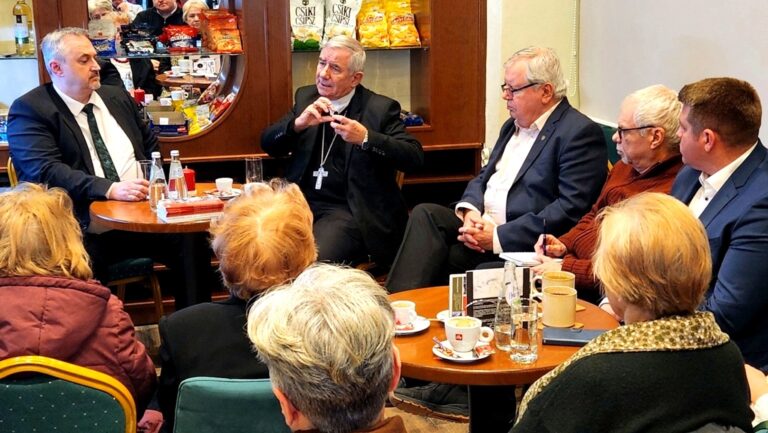
Bishop József-Csaba Pál reflects on the synodal journey of the Church, sharing how listening, fraternity, and spiritual discernment are transforming diocesan life. Drawing from his experience at the Synod and in local pastoral practice, he highlights the power of communion, small communities, and ecumenical openness as paths toward a more missionary and relational Church.
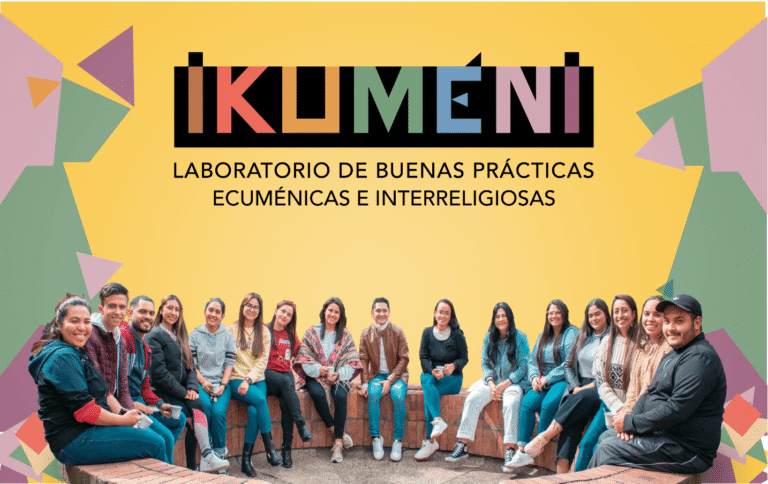
A vibrant testimony from young Christian leaders in Latin America, this article explores the Ikuméni project—an ecumenical initiative fostering unity, dialogue, and shared mission among young people from different Churches. Through lived experience, prayer, and service, these young voices witness how faith, friendship, and cooperation can become powerful signs of hope in a divided world.

A living testimony of grassroots ecumenism in the Philippines, this article recounts how members of different Christian Churches came together through prayer, friendship and shared service. The Rizal Movement shows how dialogue, lived daily and rooted in faith, can transform divisions into communion and build bridges of hope among diverse communities.
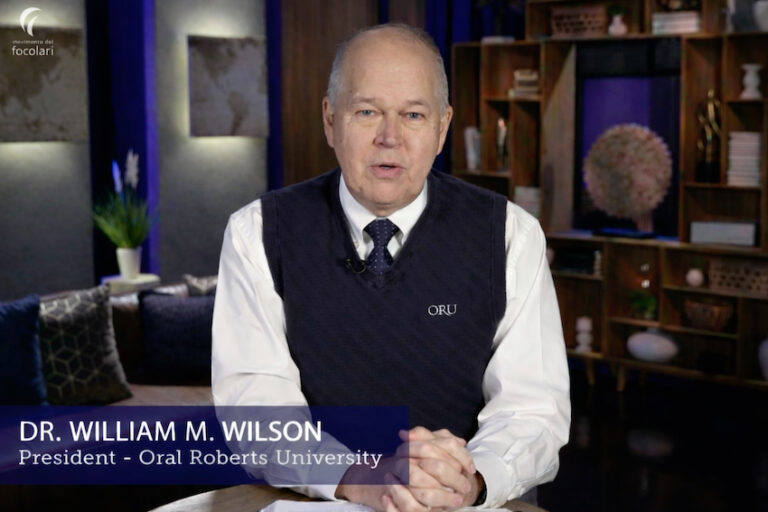
Dr. William Willson of the Pentecostal World Fellowship reflects on Christian unity as relationship, mission and spirituality communion, inviting believers to live the Gospel together for the transformation of the world.

An ecumenical journey toward the Jubilee of the Resurrection in 2033, bringing Churches together around a shared witness of faith, unity and hope. The Jesus Celebration 2033 initiative invites Christians worldwide to rediscover the power of the Resurrection through dialogue, prayer and common mission.
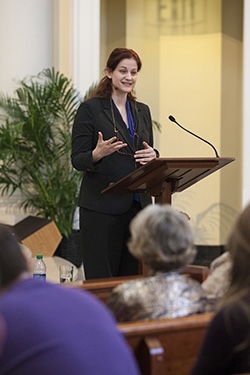
Karen Petersen Finch draws on a lived ecumenical experience in Clarkston, Washington, to explore how lay Christians from different traditions engaged in deep theological dialogue. Through shared faith, honest encounter and trust in the Spirit, they discovered new paths toward unity, revealing how local dialogue can become a powerful source of renewal for the whole Church.
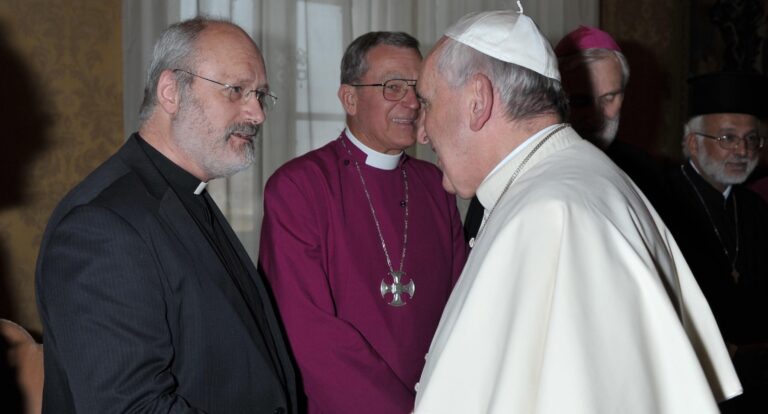
In a world marked by division and conflict, this reflection explores why ecumenism is not optional but essential. Drawing on Christian faith and experience, Callan Slipper invites readers to rediscover unity as the heart of the Gospel and a vital path toward healing, reconciliation and renewed hope for humanity.